Why prescribed drugs fail urine drug screens
Immunoassays detect a molecular shape, not a named drug. Which prescribed drugs cross-react, why, and the benzodiazepine trap that runs the other way.
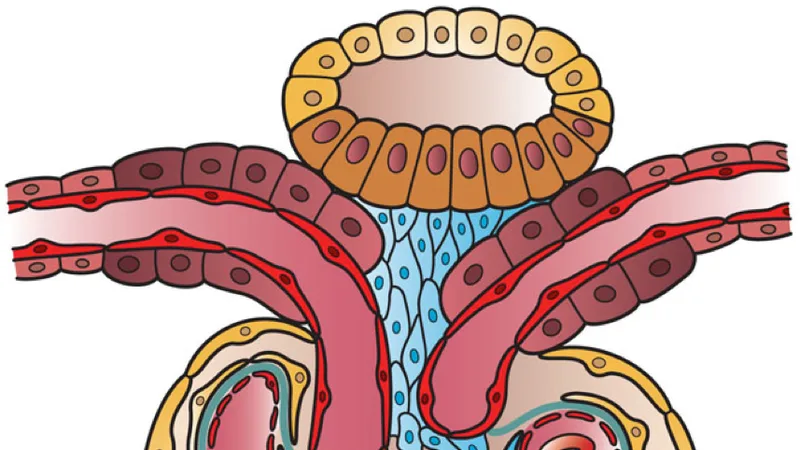 Photo: Wikimedia Commons / CC BY 3.0, via Wikimedia Commons
Short answer: lithium has a narrow therapeutic index with renal clearance tied to sodium handling. Dehydration, NSAIDs and thiazides each raise plasma concentrations toward toxicity. Monitoring covers levels, renal function and thyroid function.
Maintenance targets usually span 0.6 to 1.0 mmol/L, with acute mania targets higher per local protocol. Toxic effects emerge just above the therapeutic range: coarse tremor, ataxia, dysarthria and confusion at 1.5 mmol/L and above, seizures and coma higher still. The margin between effective and toxic is the narrowest among commonly prescribed psychotropics, which is why every precipitant of raised levels is examinable. The StatPearls review of lithium pharmacology details the concentration-effect relationship.
Lithium is a monovalent cation handled like sodium in the proximal tubule: filtered freely, reabsorbed in parallel with sodium. Volume depletion, vomiting, diarrhoea, febrile illness and low salt intake each increase proximal sodium reabsorption, and lithium follows. Clearance falls; plasma concentrations rise without any dose change. Patients maintain consistent salt and fluid intake and seek advice during intercurrent illness. This sodium-linked handling is the physiological root of every dehydration stem.
Lithium follows sodium. Anything that retains sodium retains lithium: dehydration, NSAIDs, thiazides.
NSAIDs inhibit renal prostaglandin synthesis, constricting the afferent arteriole and reducing glomerular filtration. Lithium clearance falls and levels rise, commonly by 30 to 60 percent. The interaction develops over days, so exam stems place NSAID initiation a week before toxicity presentation. Paracetamol is the preferred analgesic in lithium-treated patients. For the renal prostaglandin mechanism in full, see NSAIDs to avoid.
Narrow-index drugs like this are drilled daily inside the PharmBit app, one mechanism, one trap, five minutes.
Thiazide diuretics cause sodium loss, triggering compensatory proximal reabsorption of sodium and lithium together. Levels rise by a similar magnitude to the NSAID interaction. Loop diuretics act distally and affect lithium less, a distinction exam stems test directly. ACE inhibitors also raise lithium levels through reduced filtration, completing the precipitant set of dehydration, NSAIDs, thiazides and ACE inhibitors.
Lithium concentrates in the thyroid and inhibits thyroid hormone release, producing hypothyroidism with raised TSH in a substantial minority of long-term patients. Thyroid function is checked at baseline, at intervals during maintenance, and when fatigue or weight gain suggests failure. Renal effects begin with nephrogenic diabetes insipidus: collecting-duct resistance to antidiuretic hormone produces polyuria and polydipsia. Chronic exposure progresses to tubulointerstitial injury with declining glomerular filtration. Monitoring pairs thyroid function with creatinine at each review cycle.
Mild toxicity (1.5 to 2.0 mmol/L) presents with coarse tremor, ataxia, dysarthria and confusion superimposed on polyuria. Moderate toxicity (2.0 to 2.5 mmol/L) adds hypertonia, nystagmus and oliguria. Severe toxicity (above 2.5 mmol/L) produces seizures, coma and acute kidney injury. Chronic accumulation presents at lower levels than acute ingestion because tissue distribution is complete. Haemodialysis removes lithium in severe cases per local protocol; the decision thresholds are examinable numbers worth memorising from course materials.
Monitoring includes lithium levels (drawn 12 hours post-dose at steady state), renal function with estimated glomerular filtration rate, thyroid function (hypothyroidism is common, per the lithium adverse-effect monitoring guidance), calcium (hyperparathyroidism risk) and weight. Long-term use causes nephrogenic diabetes insipidus with polyuria and polydipsia, progressing to chronic kidney disease. Pregnancy requires specialist management due to Ebstein anomaly risk in the first trimester. For the monitoring-parameter pattern that follows the same narrow-index logic, see warfarin counselling points.
Fine tremor indicates toxicity. It does not. Fine tremor with thirst and polyuria occurs within the therapeutic range. Toxicity presents with coarse tremor plus ataxia, dysarthria or confusion. The tremor quality splits therapeutic effect from poisoning.
Lithium plus new NSAID plus confusion indicates interaction-driven toxicity. Lithium plus gastroenteritis indicates dehydration-driven toxicity. Fine tremor alone indicates therapeutic effect requiring reassurance and monitoring, not discontinuation.
Lithium toxicity announces itself in a recognisable sequence, and knowing the order matters more than knowing a list. Early features are gastrointestinal and neurological at a coarse level: nausea, vomiting, diarrhoea, and a tremor that becomes coarser than the fine tremor many patients have at therapeutic concentrations. As concentrations rise, neurological features dominate, with ataxia, slurred speech, muscle twitching, hyperreflexia and confusion. Severe toxicity brings seizures, renal failure and cardiovascular collapse [3]. A tremor that has become coarse rather than fine is the single most useful early sign, because it marks a change from the patient's own baseline rather than an absolute finding. The diarrhoea is particularly treacherous, since it causes fluid loss that raises lithium further, creating a cycle in which the toxicity worsens itself. Distinguishing that diarrhoea as a symptom of toxicity rather than an unrelated illness is what breaks the cycle.
A lithium concentration is only interpretable if it is taken at the right point in the dosing interval, which is a recurring exam point. Samples are taken twelve hours after the dose, because the reference range was established against that timing and an earlier sample catches the distribution phase rather than the steady state. A level drawn four hours after a dose will appear alarmingly high in a patient who is entirely stable. A lithium level without its timing is not a result, it is a number, which is why the stem always tells you when the sample was taken. Monitoring is also required after any dose change and after any event likely to alter sodium balance, rather than only at fixed intervals, because the precipitants act faster than a routine schedule can detect.
Lithium is handled by the kidney as though it were sodium, and almost every interaction in this post follows from that single fact. Lithium is freely filtered at the glomerulus and then reabsorbed in the proximal tubule through the same transport routes that reabsorb sodium. The proximal tubule does not distinguish between the two ions, so whenever the body decides to conserve sodium it conserves lithium at the same time [3]. Any state that signals sodium depletion causes lithium retention, which is why dehydration, vomiting, diarrhoea, a low-salt diet and diuretics all raise lithium concentrations. Learning this one mechanism replaces the entire memorised list of precipitants, because each item on that list is simply a different way of reaching the same signal. Hot weather and intense exercise belong on it for the same reason, since both increase sodium and fluid loss through sweat, which is why counselling covers seasons and activity as well as illness.
The diuretic effect is not uniform across the class, and the difference follows from where each drug acts. Thiazides act at the distal convoluted tubule, and the resulting sodium loss triggers compensatory proximal reabsorption, which increases lithium reabsorption substantially. Loop diuretics act at the thick ascending limb and are generally associated with a smaller effect on lithium, although they are not free of risk. Potassium sparing agents sit lower still. Thiazides raise lithium more than loop diuretics because the compensation they provoke happens precisely where lithium is reabsorbed. The same reasoning explains why ACE inhibitors and angiotensin receptor blockers raise lithium concentrations, since they alter renal haemodynamics and sodium handling in a way that reduces lithium clearance [5].
NSAIDs raise lithium through a mechanism entirely separate from sodium balance, which is why they are so easily overlooked. Renal prostaglandins maintain afferent arteriolar dilation and therefore glomerular filtration, and inhibiting their synthesis reduces filtration. Less filtration means less lithium presented for excretion, so plasma concentrations rise. An over-the-counter painkiller taken for a headache can push a stable patient into toxicity within days, without any change to the lithium prescription itself. The availability of these drugs without prescription is what makes this the highest-yield counselling point on lithium, and the renal mechanism behind it is set out in when to avoid NSAIDs.
Lithium has a narrow therapeutic index and is cleared almost entirely by the kidney, where it is reabsorbed alongside sodium in the proximal tubule. Anything that signals sodium depletion, including dehydration, vomiting, diarrhoea, low salt intake and thiazide diuretics, therefore increases lithium retention and raises concentrations. NSAIDs act through a different route by reducing glomerular filtration, and ACE inhibitors and angiotensin receptor blockers reduce clearance through renal haemodynamic effects. Because the drug is monitored by concentration and the precipitants are everyday events, the counselling that matters most concerns fluid, salt and over-the-counter analgesics rather than the tablets themselves.
Lithium is handled almost entirely by the kidney, so its safety tracks renal function directly: our free creatinine clearance calculator gives the formula, a worked example and the mistake that costs most marks.
1. A lithium-treated patient starts ibuprofen. A week later lithium level is 1.6 mmol/L with confusion. What is the mechanism?
2. The same patient had gastroenteritis with vomiting before the NSAID started. What additional mechanism contributed?
3. Which tremor finding distinguishes therapeutic effect from toxicity?
Usually 0.6 to 1.0 mmol/L for maintenance, with higher targets for acute mania per local protocol. The toxic threshold sits close above the therapeutic range, which defines the narrow index.
Lithium is handled like sodium in the proximal tubule. Volume depletion increases proximal sodium and lithium reabsorption, reducing clearance and raising plasma concentrations.
NSAIDs reduce renal prostaglandin synthesis, lowering glomerular filtration and lithium clearance. Levels rise, sometimes by 30 to 60 percent. Paracetamol is the preferred analgesic in exam stems.
Coarse tremor, ataxia, dysarthria, confusion and polyuria progressing to oliguria. Fine tremor and thirst occur therapeutically; coarse tremor with confusion indicates toxicity.
Thiazide-induced sodium loss triggers compensatory proximal lithium reabsorption, raising levels. The interaction is a classic exam precipitant alongside NSAIDs and dehydration.
For study only. This post explains pharmacology concepts for exam preparation. It is not medical advice. Always follow your course materials, formulary, and supervisor guidance for clinical decisions.
The safety facts exams love, one at a time, before you need them.
Free to download. 7-day Pro trial. No credit card.
Immunoassays detect a molecular shape, not a named drug. Which prescribed drugs cross-react, why, and the benzodiazepine trap that runs the other way.
INR target range, vitamin K consistency, key interactions and bleeding signs. Safety-first pharmacology in six minutes.
Renal, gastric and bronchial risks explained by mechanism. The avoid list for pharmacy exams in six minutes.

Myopathy mechanism, CYP interactions that raise risk, and counselling points. Safety-first pharmacology in six minutes.