
Mechanisms, explained simply10 min read
What does -prazole mean?
The -prazole stem marks a proton pump inhibitor. Why irreversible binding makes the effect outlast the drug, why dosing is before food, and the CYP2C19 trap.
Free pharmacology study notes for pharmacy, nursing, and medical students: drug mechanisms explained simply, exam traps for NAPLEX, PEBC, GPhC-CRA, and PCN, and the drug-class connections most textbooks leave out.
The -dipine stem marks a dihydropyridine calcium channel blocker acting on vessels rather than the heart. Why that causes ankle oedema and reflex tachycardia.
10 min read · Updated 2026-09-13Read guide →Showing 20 of 28 posts · Page 1 of 2
The -prazole stem marks a proton pump inhibitor. Why irreversible binding makes the effect outlast the drug, why dosing is before food, and the CYP2C19 trap.
The -azepam and -azolam stems mark benzodiazepines. Why frequency rather than duration of channel opening makes them safer than barbiturates, and which are safe in liver disease.
The -terol stem marks a beta-2 agonist. Why the same receptor causes bronchodilation, tremor and low potassium, and why a long-acting one is never used alone in asthma.
The -floxacin stem marks a fluoroquinolone inhibiting DNA gyrase. Why tendon rupture, QT prolongation and the chelation interaction all follow from the class.
The free pharmacology resources worth your time: official drug labels, national formularies, NIH databases, regulator blueprints and where each one falls short.
The twelve calculations pharmacy exams actually test, each with its formula and the error that costs most marks, plus free calculators for six of them.
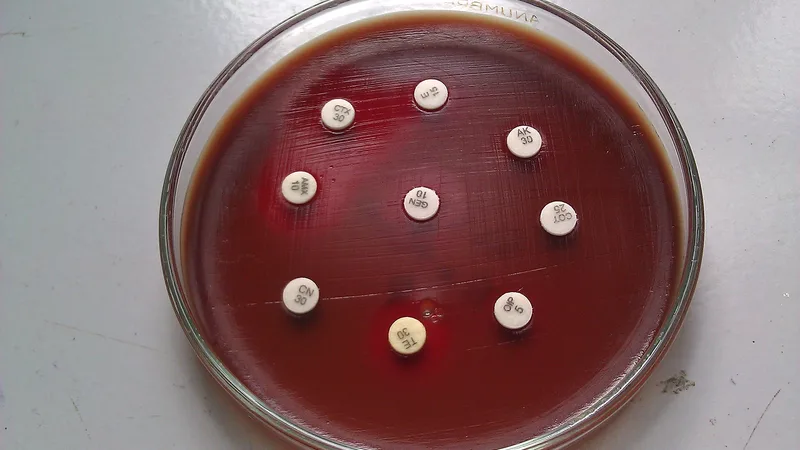
The endings mark the organism that produced the antibiotic, not how it works. Why gentamicin and erythromycin are spelled differently and share nothing else.
Stems are assigned by mechanism, so -olol, -pril and -sartan predict the target before you memorise anything. How the system works and exactly where it stops.
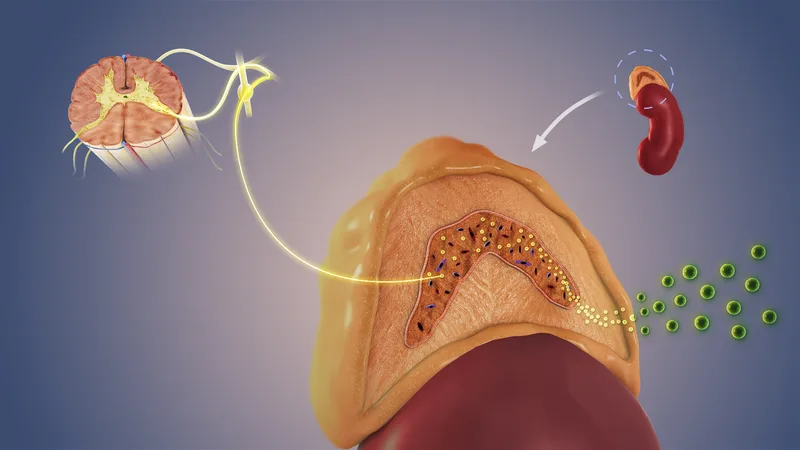
Every autonomic pathway is the same two-neuron chain. Learn which transmitter and receptor sits at each step and the drug effects become derivable.
A laboratory definition, not a clinical one. What the MBC/MIC ratio means, why it shifts between labs, and what trials in severe infection actually found.
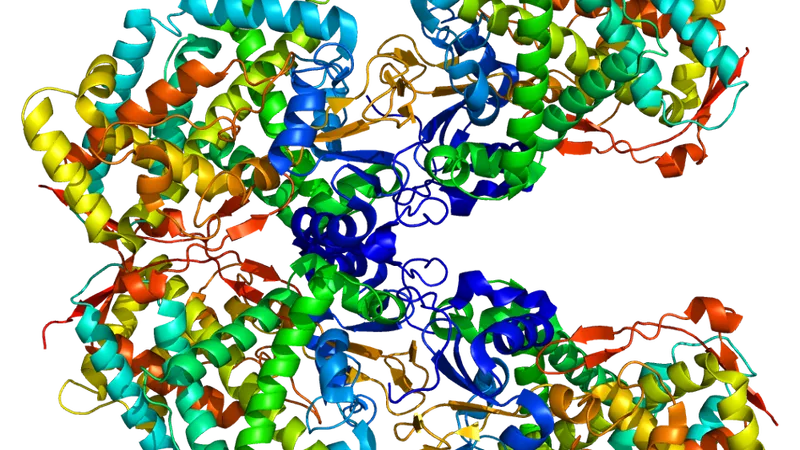
Why the mnemonics fail: inhibition is immediate and induction takes days, prodrugs reverse the direction, and the FDA defines strong inhibition by a measured AUC change.

Five pharmacist licensing exams compared: who runs each, what format it takes, and how much of your pharmacology actually transfers between them.
Immunoassays detect a molecular shape, not a named drug. Which prescribed drugs cross-react, why, and the benzodiazepine trap that runs the other way.
Nine apps compared on how they actually teach, not on feature count. Anki, Sketchy, Picmonic, PharmBit, RxFlip, Quizlet, Osmosis, UWorld RxPrep and the drug references.
Which receptors each class blocks, why selectivity fades as the dose rises, and the asthma trap. Mechanism-first in seven minutes.
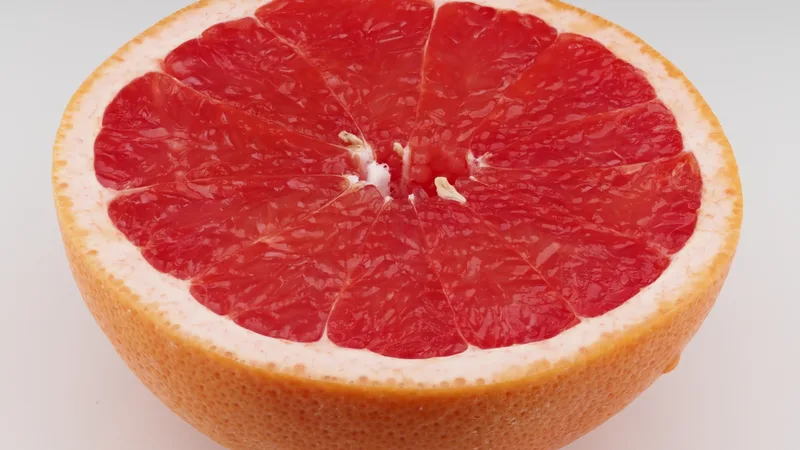
Intestinal CYP3A4 inhibition explained, which statins are affected, and the exam trap. Safety-first pharmacology in six minutes.
Codeine is a prodrug activated by CYP2D6, morphine is not. Poor and ultra-rapid metabolisers, and the exam trap.
Attenuated adrenergic warning signs explained, what remains visible, and the exam trap. Mechanism-first in six minutes.
INR target range, vitamin K consistency, key interactions and bleeding signs. Safety-first pharmacology in six minutes.
Renal, gastric and bronchial risks explained by mechanism. The avoid list for pharmacy exams in six minutes.
Shared root, selective vs nonselective members, uses, adverse effects and exam traps.
Read guide →HMG-CoA reductase root, CYP3A4 split, muscle risks and counselling points.
Read guide →Mu-receptor root, prodrug activation, constipation persistence and PAMORA rescue.
Read guide →Selectivity, brain penetration, asthma risk and exam picks in one table.
Read guide →Monitoring, HIT risk, renal dosing and protamine reversal in one table.
Read guide →Heart failure evidence, CNS penetration and tartrate vs succinate in one table.
Read guide →