
Why prescribed drugs fail urine drug screens
Immunoassays detect a molecular shape, not a named drug. Which prescribed drugs cross-react, why, and the benzodiazepine trap that runs the other way.
Short answer: NSAIDs inhibit prostaglandin synthesis. The same inhibition that reduces pain removes renal, gastric and bronchial protection in susceptible patients.
Prostaglandins are local protectors in three organs at once, which is why blocking their synthesis injures three organs at once. In the kidney they hold the afferent arteriole open. In the stomach they drive mucus and bicarbonate defence. In the airways their absence shunts substrate toward leukotrienes. A single COX blockade therefore produces renal, gastric and bronchial harm through one shared mechanism, and every avoid decision in this post traces back to it.
Prostaglandins dilate the afferent arteriole, maintaining glomerular filtration when perfusion falls. NSAIDs block COX enzymes, reducing prostaglandin synthesis and constricting the arteriole, so filtration drops precisely when the kidney needs it most. The effect is largest in volume-depleted patients, the elderly, and those on ACE inhibitors or diuretics, because each already narrows renal reserve before the NSAID arrives. The StatPearls review of NSAID pharmacology details the renal haemodynamic mechanism.
Gastric mucosal defence depends on COX-1 derived prostaglandins, which stimulate mucus and bicarbonate secretion as a continuous barrier against acid. Non-selective NSAIDs remove this defence, permitting acid injury and ulceration that accumulates with duration. COX-2 selective agents spare the mucosa but increase cardiovascular event risk through prostacyclin-thromboxane imbalance, trading one organ risk for another rather than eliminating risk.
The highest-yield renal stem combines all three: an ACE inhibitor dilates the efferent arteriole, a diuretic reduces volume, and the NSAID constricts the afferent arteriole. Filtration pressure collapses from both sides simultaneously. Exam stems that list this triple combination test recognition of additive haemodynamic injury, and the expected answer stops the NSAID first because it is the reversible precipitant.
One enzyme family, three organ risks. Kidneys lose filtration. Stomach loses mucosal defence. Airways gain leukotrienes.
Arachidonic acid follows two pathways: COX to prostaglandins, lipoxygenase to leukotrienes. Blocking COX shunts substrate toward leukotriene synthesis. In susceptible asthmatics this precipitates bronchospasm. A history of NSAID-triggered wheeze contraindicates the class.
Contraindication lists like this are drilled daily inside the PharmBit app, one mechanism, one trap, five minutes.
NSAIDs also interact with warfarin by inhibiting platelet function and displacing protein binding, as summarised in the StatPearls review of warfarin pharmacology. See warfarin counselling points for the full interaction list. In pregnancy, NSAIDs are avoided in the third trimester due to premature ductus arteriosus closure.
COX-2 selective NSAIDs are safe alternatives in all patients. They reduce GI risk but increase cardiovascular risk. The trade-off reverses the contraindication rather than removing it.
Gastric injury is not evenly distributed, and the risk factors stack rather than simply coexist. Age over sixty-five, previous peptic ulcer or gastrointestinal bleeding, high NSAID dose, prolonged use, and concurrent corticosteroids, anticoagulants, antiplatelets or selective serotonin reuptake inhibitors each raise risk, and a patient with several is in a substantially different position from one with none. The serotonin reuptake inhibitor contribution surprises students, and it follows from platelets relying on serotonin uptake for aggregation, so blocking that transporter impairs haemostasis independently of COX. Gastroprotection decisions follow from counting risk factors rather than from the NSAID alone, which is why the same drug is appropriate unprotected in one patient and not in another. Helicobacter pylori infection adds further risk and is worth identifying before long-term use, because the two causes of mucosal injury are independent and additive.
The two isoforms differ in where they sit and what they are for, which is what makes selectivity meaningful. COX-1 is expressed constitutively in the stomach, kidney and platelets, where it maintains housekeeping functions continuously. COX-2 is largely inducible and is upregulated at sites of inflammation, although it is also constitutively present in the kidney and vascular endothelium. Blocking COX-2 therefore addresses the inflammation, while blocking COX-1 removes the protective functions. The therapeutic effect comes mostly from COX-2 inhibition and the gastric toxicity mostly from COX-1 inhibition, which is the entire rationale behind selective agents. Every subsequent trade-off in this post follows from that division of labour, so it is worth holding before the drug lists.
Selective COX-2 inhibitors spare the gastric mucosa, and for a period that looked like a straightforward improvement. The complication is vascular. Endothelial COX-2 produces prostacyclin, which inhibits platelet aggregation and dilates vessels, while platelet COX-1 produces thromboxane A2, which does the opposite. A selective COX-2 inhibitor suppresses prostacyclin while leaving platelet thromboxane production intact, shifting the balance toward aggregation. Sparing the stomach by selectively inhibiting COX-2 unbalances the prostacyclin to thromboxane ratio, which is why gastric protection was bought with cardiovascular risk. This is a clean example of a mechanism predicting an adverse effect that was not anticipated when the class was designed, and it is why no NSAID is simply safer than the others.
| Agent | COX selectivity | GI risk | Point worth knowing |
|---|---|---|---|
| Aspirin (low dose) | COX-1, irreversible | High per exposure | Antiplatelet, not analgesic at this dose |
| Ibuprofen | Non-selective, reversible | Moderate | Can block aspirin access to platelet COX-1 |
| Naproxen | Non-selective, reversible | Moderate to high | Often cited as lower cardiovascular risk |
| Diclofenac | Relatively COX-2 preferential | Moderate | Higher cardiovascular signal |
| Celecoxib | COX-2 selective | Lower | Gastric sparing, cardiovascular trade-off |
| Indometacin | Non-selective, potent | High | Marked renal and CNS effects |
No row in that table is uniformly safest, which is the point. Moving along the selectivity axis exchanges gastric risk for vascular risk rather than reducing total risk, so the correct choice depends on which organ the individual patient is most vulnerable in. Selecting an NSAID means deciding which risk a given patient can best tolerate, not finding the one without any. A patient with previous peptic ulceration and a patient with established cardiovascular disease should not receive the same answer.
Aspirin belongs to the same family but differs in a way that changes its clinical identity completely. Other NSAIDs inhibit COX reversibly, so the effect lasts only while the drug is present. Aspirin acetylates COX irreversibly, permanently disabling the enzyme molecule it modifies. Platelets have no nucleus and therefore cannot synthesise replacement enzyme, so a platelet exposed to aspirin is disabled for its entire lifespan of roughly seven to ten days. Aspirin is an antiplatelet drug rather than merely an analgesic because platelets cannot repair what it does, while nucleated cells can. This is also why combining aspirin with another NSAID compounds gastric risk while the second drug can competitively interfere with aspirin reaching platelet COX-1 at all.
The renal mechanism that threatens filtration also affects sodium handling, which produces a separate problem. Prostaglandins promote sodium and water excretion, so inhibiting their synthesis causes retention of both. In a patient with compensated heart failure that additional volume raises preload at a point where the ventricle cannot accommodate it, and decompensation follows. The same retention blunts the effect of diuretics prescribed to manage it. NSAIDs both add fluid and reduce the effectiveness of the drugs used to remove it, which is why heart failure appears as a caution alongside the renal one. The effect is often missed because the patient attributes worsening breathlessness to their heart condition rather than to an over-the-counter painkiller.
The same prostaglandin suppression undermines several antihypertensive classes at once. ACE inhibitors, ARBs, diuretics and beta-blockers all rely to differing degrees on renal prostaglandin activity for part of their effect, so blood pressure control commonly deteriorates when an NSAID is added. The interaction is quiet, because nothing dramatic happens on the day it starts and the rise is gradual. An unexplained loss of blood pressure control is worth treating as a drug history question before it is treated as a dose question. The combination with an ACE inhibitor and a diuretic is the specific one with a name, and its renal consequences are covered in ACE inhibitors vs ARBs [3].
The asthma association is more specific than a general caution suggests. A defined subgroup has aspirin-exacerbated respiratory disease, characterised by the triad of asthma, nasal polyps and sensitivity to COX-1 inhibitors. In these patients COX inhibition shunts arachidonic acid down the lipoxygenase pathway, increasing cysteinyl leukotriene production, and those leukotrienes are potent bronchoconstrictors. The reaction is pharmacological rather than allergic, which is why it is dose related, reproducible, and shared across chemically unrelated NSAIDs. Because it depends on COX-1 inhibition, selective COX-2 agents are frequently tolerated, which is one of the few places where selectivity genuinely helps rather than trading one risk for another.
Elderly dehydrated patient plus NSAID indicates acute kidney injury. NSAID plus ulcer history indicates avoidance or gastroprotection per local protocol. Asthma plus NSAID wheeze indicates class contraindication.
COX inhibition removes prostaglandin protection from kidneys, stomach and airways through one shared mechanism. Renal injury follows afferent constriction, ulcers follow mucosal defence loss, and bronchospasm follows leukotriene shunting. The triple whammy with ACE inhibitors and diuretics concentrates every risk at once.
Deciding whether an NSAID is safe starts with knowing where renal function already sits: our free creatinine clearance calculator gives the formula, a worked example and the mistake that costs most marks.
1. Why do NSAIDs reduce glomerular filtration in volume depletion?
2. An asthmatic wheezes after ibuprofen. What is the mechanism?
Prostaglandins dilate the afferent arteriole to maintain glomerular filtration. NSAIDs block prostaglandin synthesis, constricting the arteriole and reducing filtration, particularly in volume-depleted or elderly patients.
Gastric mucosal protection depends on COX-1 derived prostaglandins. Non-selective NSAIDs remove that protection, allowing acid injury. COX-2 selective agents spare the mucosa but carry cardiovascular risk.
Blocking COX shunts arachidonic acid toward the lipoxygenase pathway, increasing leukotriene production. In aspirin-exacerbated respiratory disease this triggers bronchospasm.
NSAIDs in the third trimester risk premature closure of the ductus arteriosus and oligohydramnios. They are avoided late in pregnancy.
For study only. This post explains pharmacology concepts for exam preparation. It is not medical advice. Always follow your course materials, formulary, and supervisor guidance for clinical decisions.
The safety facts exams love, one at a time, before you need them.
Free to download. 7-day Pro trial. No credit card.
Immunoassays detect a molecular shape, not a named drug. Which prescribed drugs cross-react, why, and the benzodiazepine trap that runs the other way.

Intestinal CYP3A4 inhibition explained, which statins are affected, and the exam trap. Safety-first pharmacology in six minutes.
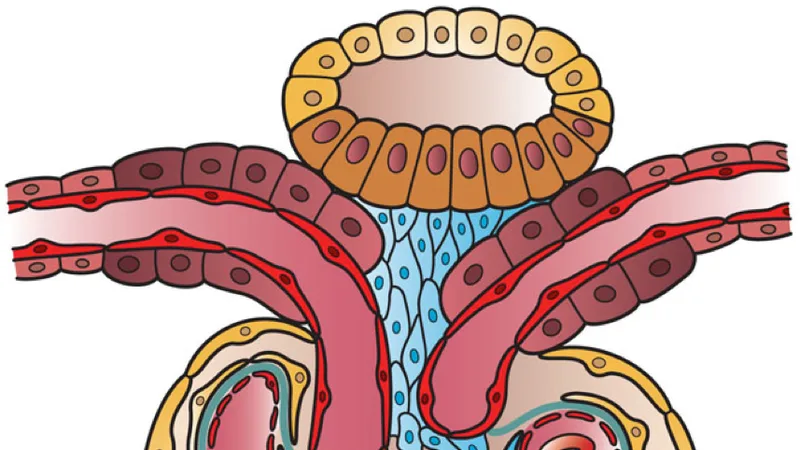
Narrow therapeutic index, sodium-dehydration handling, NSAID interaction and toxicity signs.
Cumulative muscarinic blockade causing confusion, retention and falls. The older-adult safety topic in six minutes.