
Why prescribed drugs fail urine drug screens
Immunoassays detect a molecular shape, not a named drug. Which prescribed drugs cross-react, why, and the benzodiazepine trap that runs the other way.
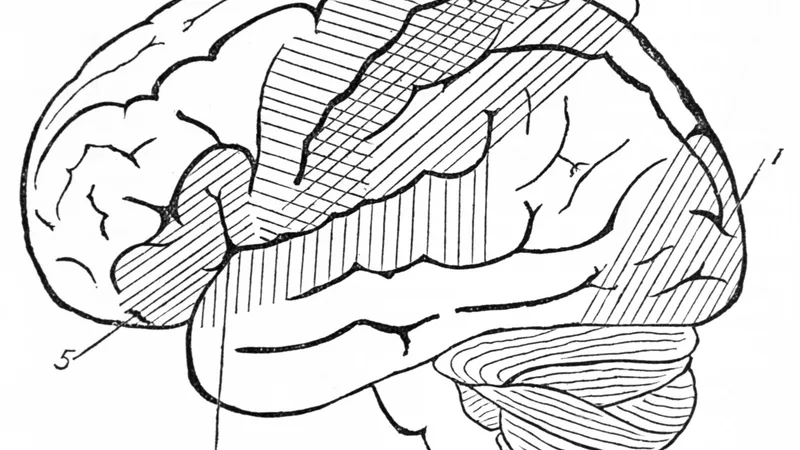 Photo: Gray’s Anatomy plate / Public domain, via Wikimedia Commons
Short answer: drugs with antimuscarinic activity add up. In older adults the cumulative blockade produces confusion, urinary retention, constipation and falls.
No single anticholinergic needs a large dose to cause harm, because the ageing brain operates with reduced cholinergic reserve and therefore a lower threshold for failure. Each drug removes a fraction of muscarinic signalling, and the fractions sum across the whole regimen. When the total crosses the threshold, central compensation fails and delirium follows. This threshold model is why burden scales predict outcomes better than any single drug dose.
Muscarinic antagonists block acetylcholine at muscarinic receptors throughout the body, so one pharmacology produces two symptom families at once. Central blockade impairs cognition and attention, progressing to delirium. Peripheral blockade reduces detrusor contraction (urinary retention), slows gut motility (constipation), impairs accommodation (blurred vision) and reduces sweating. Each effect is dose-dependent and additive across agents, which means the peripheral triad of retention, constipation and confusion arrives together. The StatPearls review of anticholinergic toxicity details the receptor-level mechanism.
No single drug needs a high anticholinergic dose. A tricyclic antidepressant plus diphenhydramine plus oxybutynin each contribute partial blockade; the sum crosses the symptomatic threshold that none would reach alone. Validated scales (Anticholinergic Cognitive Burden, Anticholinergic Risk Scale) score each drug and sum the total, giving medication review a number to act on. Higher totals correlate with delirium, falls and cognitive decline, which turns deprescribing from guesswork into targeted burden reduction.
Burden reduction follows priority order, not alphabetical order. Sedating antihistamines and bladder antimuscarinics go first because their benefit rarely justifies their burden in older adults. Tricyclics taper rather than stop, because abrupt withdrawal adds cholinergic rebound to the existing confusion. Each removal lowers the total toward the threshold, and cognition is reassessed after each step. Exam stems that ask for the first deprescribing target test this priority logic.
Count every anticholinergic, including over-the-counter sleep aids. The total determines the risk, not any single drug.
Ageing reduces central cholinergic reserve and increases blood-brain barrier permeability. Renal and hepatic clearance decline, prolonging exposure. Polypharmacy multiplies contributors. The same regimen that is tolerated at 40 produces delirium at 80.
High-risk combinations like these are drilled daily inside the PharmBit app, one mechanism, one trap, five minutes.
Medication review in confused older adults starts with the anticholinergic list. The StatPearls review of delirium assessment places medication review among the first diagnostic steps. Deprescribing follows local protocol with taper where withdrawal applies (tricyclics). For the interaction-driven adverse effects that stack the same way, see statin muscle pain.
Over-the-counter sleep aids are safe because they need no prescription. Diphenhydramine-based sleep aids carry significant anticholinergic activity and contribute fully to the burden score.
Older adults experience more effect from an identical dose, and several independent changes converge to produce that. Central cholinergic neurotransmission declines with age, so the reserve available to absorb a blockade is smaller before any drug is given. Blood-brain barrier permeability increases, admitting drugs that would previously have been partly excluded. Renal and hepatic clearance fall, raising concentrations for the same dose. Body composition shifts toward a higher fat fraction, increasing the volume of distribution of lipophilic drugs and prolonging their presence. Reduced cholinergic reserve, easier brain access, slower clearance and longer persistence all push the same direction, so the dose that was uneventful at fifty is not the same dose at eighty. Coexisting dementia removes what little reserve remains, which is why anticholinergic drugs are avoided particularly firmly in that group.
Attention usually falls on confusion, but the peripheral effects carry their own consequences in frail patients. Reduced salivary flow promotes dental decay, oral candidiasis and difficulty swallowing tablets, which in turn affects adherence. Constipation can progress to faecal impaction and, in the worst case, bowel obstruction. Urinary retention predisposes to infection and, in men with prostatic enlargement, to acute retention requiring catheterisation. Impaired sweating reduces the ability to lose heat, which matters in hot weather. Each peripheral effect has a downstream complication that is more serious than the symptom itself, which is why the burden concept covers more than cognition. Blurred near vision combined with postural instability also contributes directly to falls, linking the peripheral and central harms.
Every anticholinergic effect traces to a muscarinic subtype in a particular tissue, so the symptom list is derivable rather than memorable. M3 receptors sit on exocrine glands, smooth muscle and the eye, so blocking them removes salivary and lacrimal secretion, relaxes the bladder detrusor and paralyses accommodation. M2 receptors slow the heart, so blocking them permits tachycardia. M1 receptors in the central nervous system support attention and memory, so blocking them produces confusion [3]. Dry mouth, blurred near vision, urinary retention, constipation, tachycardia and delirium are one receptor family blocked in six locations, not six unrelated adverse effects. The full receptor map that generates this is set out in how to memorize autonomic pharmacology.
Central effects depend on whether the molecule can cross the blood-brain barrier, and that depends largely on charge. Tertiary amines such as atropine, oxybutynin and amitriptyline are uncharged at physiological pH and lipid soluble, so they enter the central nervous system and contribute to confusion. Quaternary ammonium compounds such as glycopyrronium carry a permanent positive charge, which prevents meaningful central penetration, so their effects remain peripheral [4]. Two drugs can block the same receptor and differ entirely in cognitive risk, because the barrier admits one and excludes the other. This is why substituting within the antimuscarinic group can reduce delirium risk without abandoning the therapeutic effect.
| Drug | Class | Burden | Why it is missed |
|---|---|---|---|
| Amitriptyline, nortriptyline | Tricyclic antidepressants | High | Prescribed for pain and sleep, not only depression |
| Chlorphenamine, promethazine | First-generation antihistamines | High | Available without prescription |
| Oxybutynin | Bladder antimuscarinic | High | Given for the very symptom burden worsens |
| Olanzapine, quetiapine, clozapine | Antipsychotics | Moderate to high | Burden adds to sedation |
| Diphenhydramine | OTC sleep aid and antihistamine | High | Often not reported as a medicine |
| Hyoscine, atropine | Classic antimuscarinics | High | Tertiary amines cross into the brain |
| Ranitidine, furosemide, warfarin | Low-level contributors | Low | Individually trivial, collectively additive |
The bottom row matters most for exam purposes, because drugs with weak antimuscarinic activity are rarely thought of as anticholinergic at all. Furosemide, warfarin and ranitidine each contribute a small amount, and a patient on several of them plus one high-burden agent can exceed the threshold for cognitive effects without any single prescription looking unreasonable. Burden is a property of the whole medication list rather than of any drug on it.
Several validated scales exist to make the additive effect measurable, and knowing that they exist is usually enough for exam purposes. The Anticholinergic Cognitive Burden scale and the Anticholinergic Drug Scale both assign each drug a score, typically from one to three, and sum them across the regimen. Higher totals associate with greater risk of cognitive impairment and falls. The scales formalise the same insight the mechanism gives you, which is that three drugs scoring one each can matter as much as one drug scoring three. Their practical value is in triggering a medication review rather than in producing a number that dictates action on its own. The scales also disagree with one another, because they were derived by different methods and assign different scores to the same drug, so a patient can appear high burden on one instrument and moderate on another. That inconsistency is a known limitation rather than a flaw to be resolved by picking the strictest one, and it is why clinical judgement about which symptoms the patient actually has remains the deciding factor.
Oxybutynin illustrates the problem in its sharpest form. It is prescribed for overactive bladder, where blocking detrusor M3 receptors reduces urgency, and that is a genuine therapeutic effect. It is also a tertiary amine with high central penetration, so it contributes substantially to cognitive burden in exactly the age group most likely to be prescribed it. Worse, the confusion it can cause may itself lead to incontinence. A drug given for continence can worsen continence by causing delirium, which is why agents with lower central penetration are preferred in older patients. Exam stems use this pairing because it rewards understanding of distribution, not just of receptor action. Alternatives with lower central penetration exist within the same therapeutic group, so the choice is rarely between treating the bladder and protecting cognition.
Confused older adult on amitriptyline plus diphenhydramine indicates cumulative anticholinergic burden. Urinary retention plus constipation plus confusion forms the classic triad. The expected answer identifies the burden and the contributors.
Anticholinergic burden sums partial muscarinic blockade across the whole regimen until the ageing brain crosses its failure threshold. Central confusion arrives with peripheral retention and constipation as one syndrome. Validated scales quantify the total, and priority-ordered deprescribing lowers it step by step.
1. An 82-year-old on amitriptyline and diphenhydramine becomes confused with urinary retention. What is the mechanism?
2. Which over-the-counter product also contributes to this burden?
The cumulative effect of multiple drugs with antimuscarinic activity. Each contributes blockade; the total determines confusion, retention, constipation and fall risk in older adults.
Tricyclic antidepressants, first-generation antihistamines, bladder antimuscarinics, and antipsychotics with anticholinergic activity. Over-the-counter sleep aids containing diphenhydramine count.
Reduced cholinergic reserve, increased blood-brain barrier permeability, impaired drug clearance, and polypharmacy. The same dose produces greater central blockade than in younger adults.
Confused older adult on multiple anticholinergics. The answer identifies the cumulative burden and the offending agents, not a single drug level.
For study only. This post explains pharmacology concepts for exam preparation. It is not medical advice. Always follow your course materials, formulary, and supervisor guidance for clinical decisions.
The safety facts exams love, one at a time, before you need them.
Free to download. 7-day Pro trial. No credit card.
Immunoassays detect a molecular shape, not a named drug. Which prescribed drugs cross-react, why, and the benzodiazepine trap that runs the other way.

Intestinal CYP3A4 inhibition explained, which statins are affected, and the exam trap. Safety-first pharmacology in six minutes.

Renal, gastric and bronchial risks explained by mechanism. The avoid list for pharmacy exams in six minutes.

INR target range, vitamin K consistency, key interactions and bleeding signs. Safety-first pharmacology in six minutes.